Graduate
Writing, Rhetoric, and Social Change Graduate Program
Theory and Practice
Students in this specialization join a vibrant community of scholars who research the transformative potential of writing and rhetoric and analyze the social, cultural, economic and historical forces shaping writing and rhetoric in theory and practice. Through engagement with diverse contexts for writing in the community, classroom, and beyond, students create and apply methods for addressing shared problems in classrooms and communities.
Our graduates work for social change in non-profit advocacy, publishing, and industry careers, study in top tier rhetoric and composition Ph.D. programs, teach composition and rhetoric at secondary and post-secondary levels, and much more.
To find out more about the specifics of this program, take a look at these resources:
Teach and reshape lives through classrooms and communities. Work for social change through government, industry, and nonprofit. Direct a Writing Center or Writing across the Curriculum program. Work in public relations, professional writing or technical writing. Write for the public sphere, effect policy, influence digital culture and challenge boundaries.
Program Highlights
Work closely with distinguished faculty with expertise in composition pedagogy and assessment, rhetorical and literacy theory, digital rhetoric, and science writing, with opportunities for collaborative research and publication.
Build expertise through a variety of courses, including Critical Digital Rhetorics, Politics of Literacy, Research Methods, Composition Theory, and Rhetorics of Identity & Human Rights.
Learn and apply research skills by learning about and applying a variety of methodologies that work across disciplines, communities, and approaches.
Gain experience teaching writing and rhetoric through teaching assistant, internship, mentoring, and writing center opportunities.
Develop qualifications for a variety of career trajectories, including education, government/non-profit work, corporate work, and further graduate study.
Funding Opportunities
Apply to be a Graduate Teaching Assistant
Graduate Teaching Assistants in the English department receive nationally recognized training in the art of teaching writing and rhetoric. As instructors of the University Composition Program, GTAs prepare students to write, research, and design documents across audiences, genres, and contexts.
Typically, students awarded GTAships serve as instructors in the first-year composition course, CO 150: College Composition. The assistantship positions are limited and awarded on a competitive basis to begin in the fall semester.
These positions pay a monthly stipend and cover resident or non-resident tuition for first-year GTAs and resident tuition for second- and third-year GTAs.
Work in the Writing Center as a Consultant
The CSU Writing Center annually holds thousands of consultations with a diverse group of writers from all disciplines across the University.
Writing Center consultants are members of a vibrant community of writers as they work, one-on-one, with students, faculty and community members on writing projects that range from first-year composition essays to graduate-level theses and dissertations to job application materials.
What Are Students Saying?

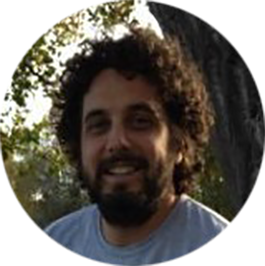
“My experience as a Rhetoric and Composition student at CSU was formative and inspiring, thanks in large part to an amazing ‘All-Star Team’ of professors. In addition to guiding my academic studies, they made me aware of the critical issues in higher education labor, essentially preparing me to be a socially conscious faculty member and citizen.”
~Joe Schicke, MA English: Rhetoric & Composition
Faculty
-

Kelly Bradbury
- Associate Teaching Professor
- Director, gtPathways Writing Integration Initiative
- Director, TILT Graduate Student &
- Postdoc Teaching Certificates of Completion
- Upper-Division Composition Administrator
-

Genesea M. Carter
- Associate Director of Composition
- Associate Professor
-
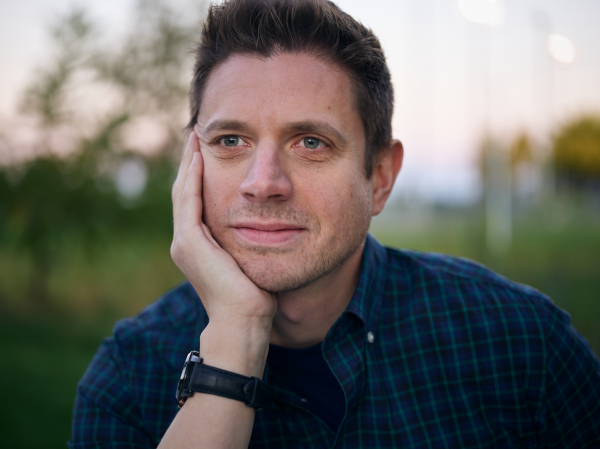
Doug Cloud
- Associate Professor
-

Sarah Cooper
- Assistant Professor of English
-
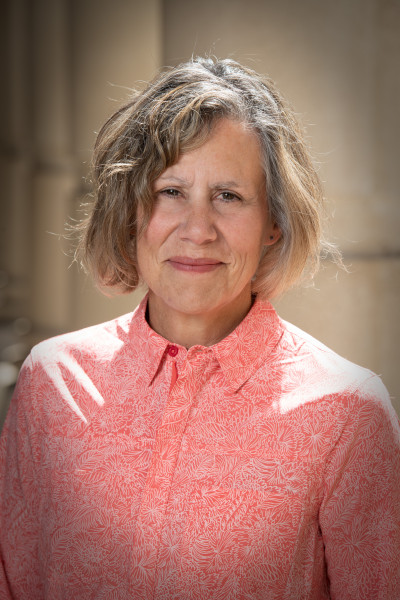
Sue Doe
- Professor, Executive Director of The Institute for Learning and Teaching Director of the Center for the Study of Academic Labor
-
Tobi Jacobi
- Professor
- Director of Community Literacy Center
- Program Director of Writing, Rhetoric, and Literacy (B.A. concentration)
- Program Director of Writing, Rhetoric, and Social Change (M.A.)
-
Lisa Langstraat
- Associate Professor
-

Todd Ruecker
- Director of University Composition Program
-
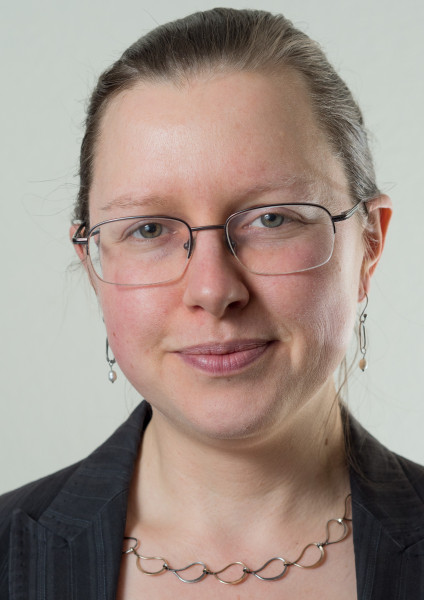
Erika Szymanski
- Associate Professor (Microbiome Initiative Hire)
- Affiliate faculty, Cell and Molecular Biology program
-

Aly Welker
- Associate Teaching Professor
- Online Coordinator
- Assistant Director of UD Composition