Literature
Read between the lines and beyond the page
Have you always been drawn to stories and curious about what makes them work, from structure and plot to language and meaning?
The Literature concentration invites you to turn that curiosity into deeper understanding. You’ll explore texts from diverse cultures, genres, and time periods, encountering both familiar voices and those often overlooked. As your perspective expands, you’ll sharpen your analytical skills, engage with literary and cultural theory, and connect literature to fields like environmental, ethnic, and media studies. Ultimately, you’ll discover how literature helps us make sense of history, identity, and the complexities of human experience.
What You’ll Study
Students in the Literature concentration learn how to analyze and interpret poems, fiction, plays, and works of popular culture, all while gaining exposure to a vast range of historical and contemporary writing. In the same semester you might immerse yourself in iconic classics like Moby Dick or The Canterbury Tales, study popular genres like science fiction or horror, and become familiar with Native American literature.
As a Literature concentrator, you’ll expand your love of reading by refining your research and writing skills and engaging thoughtfully with a range of literary theories. Our accomplished, caring faculty will help you foster meaningful relationships with peers, myriad texts, and varied ideas.
Featured courses
In this course, we will explore how narratives shape our knowledge and experience of the more-than-human world. Including works of fiction, nonfiction, film, theory, and poetry over the twentieth and twenty-first centuries, we will consider topics such as landscape, climate, multispecies kinship, ecology, climate, and energy. We will examine texts utilizing critical frameworks informed by environmental justice, feminism, (post)colonialism, and Indigenous perspectives.
In this course, we will examine how genre shapes our understanding of literature. We’ll learn that genre functions as a means to categorize texts, trace literary genealogies, and establish audience expectations and explore how genres are subject to hybridization, manipulation, and contingency. With a focus on genre as both a fixed system and open-ended process, we’ll increase our understanding of how writers and readers create, evaluate, and enjoy literary texts and other media.
This course centers on the work of a single author; a recent version focused on the language and literary landscape of Emily Dickinson.
This course will explore the legacy, lineage, and language of Emily Dickinson. While looking intensely at Dickinson’s poems and letters, we will follow words back to their Biblical roots; we will ponder Dickinson’s often idiosyncratic spellings; we will linger over her strangely beautiful images; we will mediate on her early preference for the exclamation point and her later adoption of the dash, and we will explore the etymological underpinnings of her poems. We will read poets whose work is heavily influenced by Dickinson, and we will watch excerpts from the recent films and TV shows depicting her life and work.
Literature Roadmap: Courses & Requirements
English majors must complete a minimum of 120 credits, 42 upper-division credits to graduate. Below, learn more about the requirements for the Literature concentration.
- CO 150 College Composition
- E 150 English Studies Symposium
- Two Cross-Concentration classes—choose from the following options:
- E 200 Inquiry-Based Teaching and Communicating
- E 202 Language Use in Society
- E 204 Creative Writing as Transformative Practice
- E 206 Language for Activist Rhetoric & Writing
- E 237 Introduction to Science Fiction
- One Introductory Literature class—choose from the following options:
- E 236 Short Fiction
- E 238 Contemporary Global Fiction
- E 240 Intro to Poetry
- E 242 Reading Shakespeare
- E 245 World Drama
- E 310 Researching and Writing Literary Criticism
- E 341 Literary Criticism and Theory
- Two Literature courses from the following three options:
- E 270 Introduction to American Literature
- E 276 British Literature—Medieval Period to 1800
- E 277 British Literature—After 1800
- Capstone Course: E 465 Topics in Language & Literature OR E 466 Integrated English Studies
Earn 18 credits from your choice of upper-division English/Composition electives in consultation with your academic success coordinator.
Must include one Composition course from the following options:
- CO 300 Writing Arguments
- CO 301A Writing in the Disciplines: Arts and Humanities
- CO 301B Writing in the Disciplines: Sciences
- CO 301C Writing in the Disciplines: Social Sciences
- CO 301D Writing in the Disciplines: Education
Earn 31 credits from your choice of foundational courses offered across the university. A cumulative grade point average of 2.0 is required in all AUCC courses.
Earn remaining credits from your choice of history, social science, arts & humanities, environmental studies & sustainability, and more!
Literature concentrators can meet the Second-Field requirement by either completing the second year of a foreign language, or by completing 12 upper-level credits in a cohesive field of study outside of English.
Career & Professional Pathways
By the time Literature students graduate, they have developed a broad set of transferable skills, including crafting evidence-based written and verbal arguments, synthesizing and communicating complex information efficiently and clearly, and cultivating habits of critical and analytical thinking that help them become thoughtful citizens and careful and enthusiastic readers.
Our alumni have pursued careers in publishing and editing, communications, marketing and public relations, nonprofit work, education, and healthcare. Literature students also go on to graduate programs in literary and cultural studies, creative writing, law school, and more.
Hands-on Learning
Outside the classroom, Literature students immerse themselves in the field through study abroad programs, editorial internships with presses, journals, and research-based projects, and active involvement in student organizations that center literary culture.
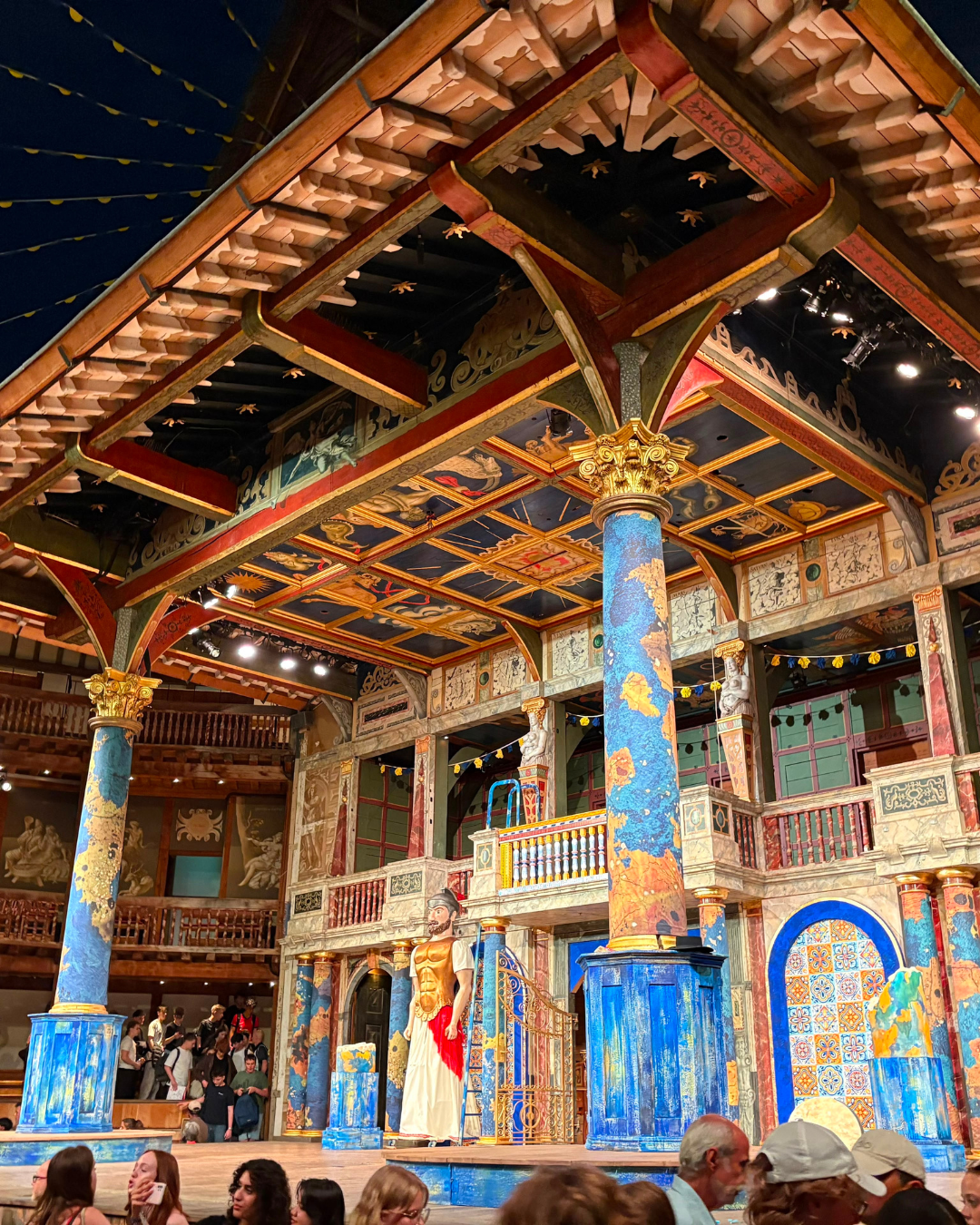
Education Abroad: Take your literary analysis skills across the pond and spend the summer in the UK through our faculty-led study abroad program: Summer in Oxford, England. Students in this program study at Oxford University, the oldest university in the English-speaking world and one of the world’s most prestigious and rigorous centers of higher education. Additionally, students will experience Shakespeare off of the written page by attending multiple live performances of the Bard’s major works.
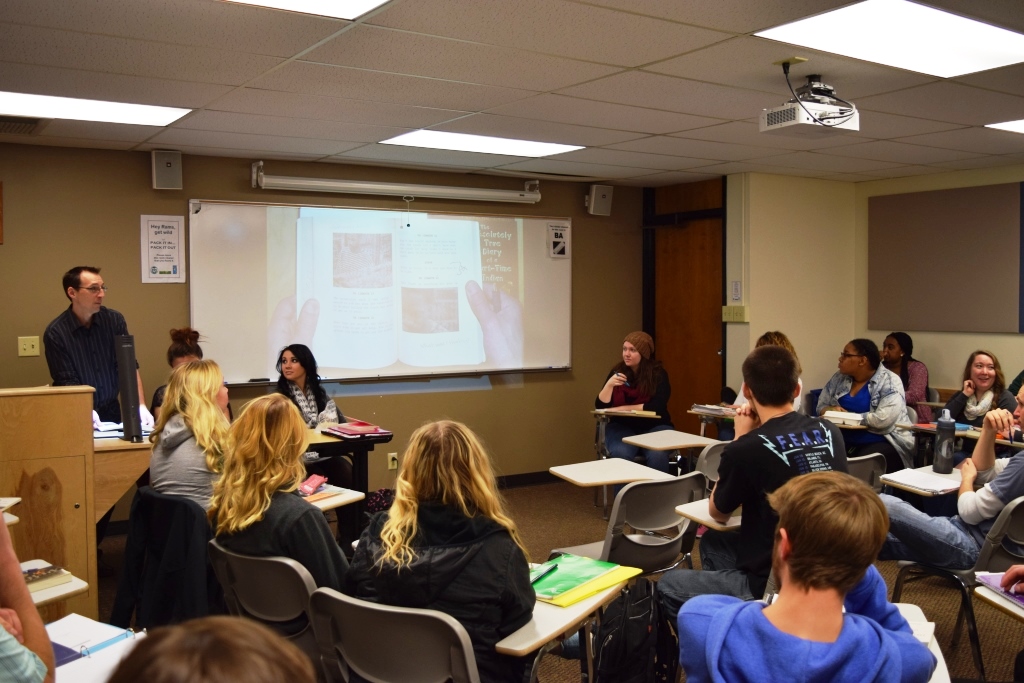
Become a Teaching Assistant: Gain impactful teaching experience as a teaching assistant for an English faculty member. Student TAs get a first-hand preview into the ins and outs of research, grading best practices, and lesson planning with guidance from a trusted, supportive mentor.

Student Organizations: Want to build community with other English enthusiasts? Connect with Inklings, Dead Poets Society, and the Sigma Tau Delta honor society to meet people on the same page.
Faculty Profiles
Work with faculty who explore literature across time and place—from medieval and early British texts to contemporary global works—engaging topics such as climate, gender and sexuality, comedy and performance, horror and true crime, film, and other interdisciplinary approaches in cultural and American studies.
-

Lynn Badia
- Associate Professor
Eddy 354
-

Zach Hutchins
- Professor
970-491-0962
310 Eddy Hall
-

Barbara Sebek
- Professor
319 Eddy Hall
-

Lynn Shutters
- Associate Professor
312 Eddy
Awards
Outstanding Literary Essay Awards
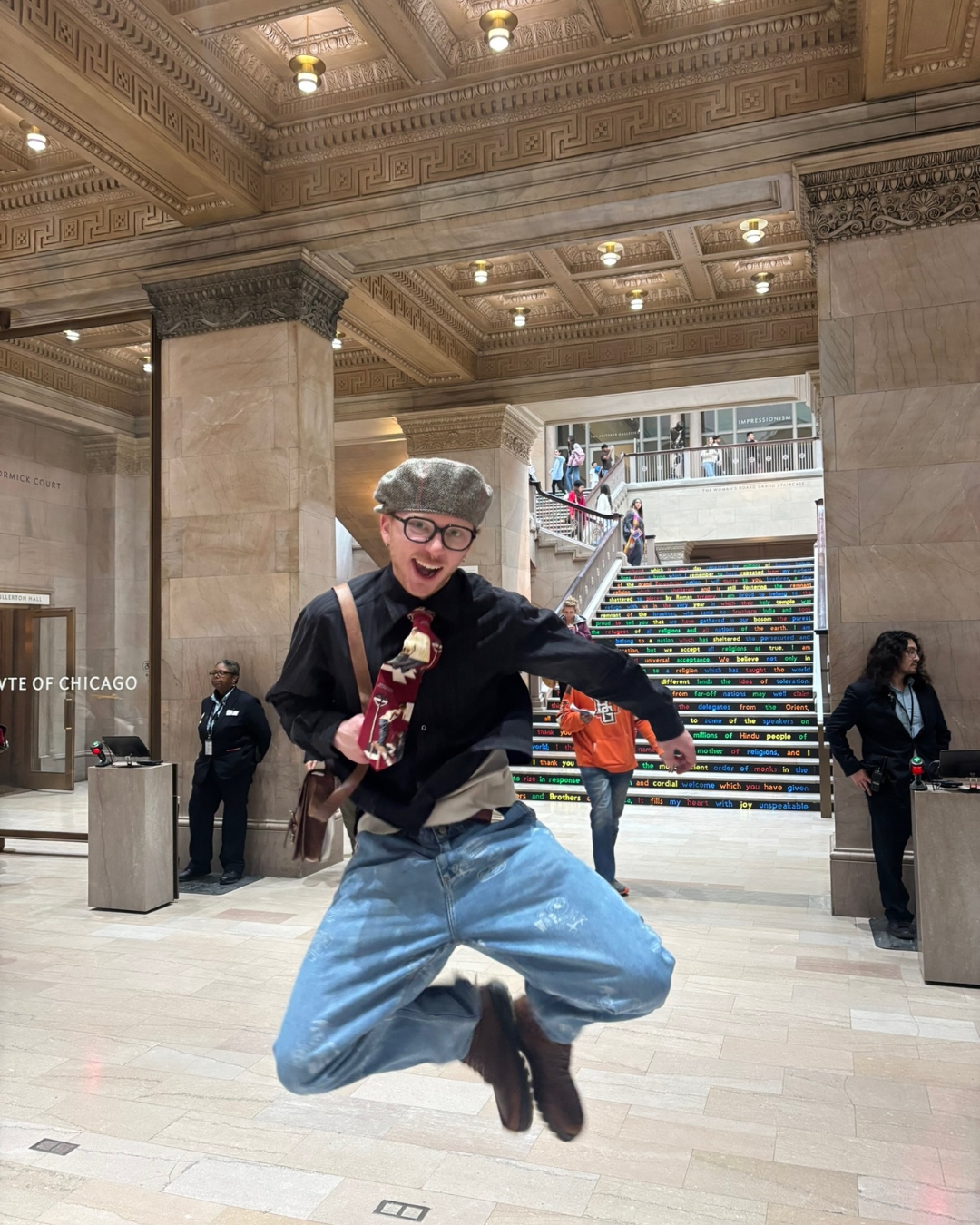
Calling all literary scholars! Each spring, the Literature program invites undergraduate and graduate English students to submit their best critical and interpretive work for recognition. Top submissions receive cash prizes, and winners are honored at the annual English Department Awards Reception each April.
Next Steps
Are you interested in joining our community?