Integrated English Studies
Design your own interdisciplinary path
The Integrated English Studies concentration encourages both creativity and real-world application, helping students see how different areas of English connect and work together. In this program, you’ll explore a wide range of topics—scholarly, cultural, environmental, political, social, and creative—using multiple approaches to explore ideas, solve problems, ask questions, and create meaningful work.
While working closely with a faculty advisor as your primary mentor, you’ll design a major tailored to your personal interests and the meaningful connections you want to make across the department’s five disciplines: Creative Writing, English Education, Linguistics, Literature, and Writing, Rhetoric, and Literacy.
What You’ll Study
Our program is flexible and adaptable, allowing you to shape a path that reflects what you care about most. You can take courses across our disciplines, develop your interests in more than one area of study, and see how those areas inform one another.
Want to explore how creative writing and linguistics intersect when it comes to fantasy fiction and constructed languages? You can do that here. Interested in connecting literature and cultural memory, or rhetoric and environmental activism? You can pursue those questions, too.
With support from a faculty advisor, you’ll turn your ideas into a cohesive, personalized course of study that prepares you to think creatively, make connections, and apply what you learn in valuable ways beyond the classroom.
Featured courses
This course explores the diversity of voices found in banned and challenged books, analyzing how school censorship, in particular, reflects and reinforces broader societal patterns of interaction related to race, gender, sexuality, and power. Through critical reflection of frequently banned texts, students will consider patterns of historical and contemporary censorship.
This course is inspired by controversial writer John D’Agata, who advocates the broadest definition of the essay, which at its French root, essai, means to attempt, to endeavor, to try. Drawing from The Next American Essay, edited by D’Agata himself, we’ll discuss what makes an essay an essay as well as how events, memories and landscapes influence approach and content. In addition to active discussion and critical work, we will write our own creative endeavors to experiment with technique and audience.
This capstone course is co-taught by two instructors with expertise across English Studies. Topics change each semester; below is an example of what the course may look like.
Building Fantastical Worlds and Languages: Fantasy Fiction at the Creative and Linguistic Crossroad
What makes a story memorable? Is it an exciting plot or a compelling character? In fantasy fiction, strong storytelling often depends on a richly imagined world—complete with unique planets, cultures, and characters. In this course, you’ll combine Creative Writing, Linguistics, and Literature to craft your own fantasy worlds. You’ll study well-known works of fantasy and the constructed languages (“conlangs”) created for them, while also developing your own stories and languages.
Integrated English Studies Roadmap: Courses & Requirements
English majors must complete a minimum of 120 credits, 42 upper-division credits to graduate. Below, learn more about the requirements for the Integrated English Studies concentration.
- CO 150 College Composition
- E 150 English Studies Symposium
- Two Cross-Concentration classes—choose from the following options:
- E 200 Inquiry-Based Teaching and Communicating
- E 202 Language Use in Society
- E 204 Creative Writing as Transformative Practice
- E 206 Language for Activist Rhetoric & Writing
- E 237 Introduction to Science Fiction
- E 238 Contemporary Global Fiction
- One Introductory Literature class—choose from the following options:
- E 236 Short Fiction
- E 238 Contemporary Global Fiction
- E 240 Intro to Poetry
- E 242 Reading Shakespeare
- E 245 World Drama
- E 270 Intro to American Lit
- E 276 British Literature – Medieval to 1800
- E 277 British Literature – After 1800
- One Methods class—choose from the following options:
- E 301 Framing Texts & Critical Theory in Equity
- E 305 Principles of Writing & Rhetoric
- E 310 Researching and Writing Literary Criticism
- E 320 Intro to the Study of Language
- E 341 Literary Criticism and Theory
Capstone Course: E 465 Topics in Language & Literature OR E 466 Integrated English Studies
Remaining course selection for this concentration is up to you (in consultation with your faculty mentor)! Choose from courses across English Studies in Creative Writing, English Education, Linguistics, Literature, and Writing, Rhetoric, and Literacy.
Earn 18 credits from your choice of upper-division English/Composition electives in consultation with your academic success coordinator and faculty mentor.
As a reminder: This concentration allows students to tailor the English major to their specific interests and develop a program of study that explores multiple disciplines within our department.
Earn 31 credits from your choice of foundational courses offered across the university. A cumulative grade point average of 2.0 is required in all AUCC courses.
Earn remaining credits from your choice of history, social science, arts & humanities, environmental studies & sustainability, and more!
Integrated English Studies concentrators can meet the second field requirement by either completing the second year of a foreign language, or by completing 12 upper-level credits in a cohesive field of study outside of English.
Career & Professional Pathways
The Integrated English Studies concentration opens doors to a range of careers in which teamwork and collaboration, critical thinking and analysis, and creative communication are highly valued.
Students develop an interdisciplinary, highly adaptable skill set that can lead to work in several fields and industries— including healthcare, education, marketing and communications, publishing and media, law, hospitality, and more.
Graduates are especially well prepared for roles that require clear communication, cultural awareness, and the ability to analyze complex information—whether working with texts, people, or organizations.
Hands-on Learning
Our students become actively involved in what they find meaningful. From seeing the world through study abroad experiences to joining social clubs and authoring change on campus, you can discover what you love and go after it.

Publishing Opportunities: Interested in publishing? Join the Journal of Undergraduate Research & Scholarly Excellence (JUR Press), CSU’s undergraduate literary journal Greyrock Review, or the student-produced newspaper The Rocky Mountain Collegian.
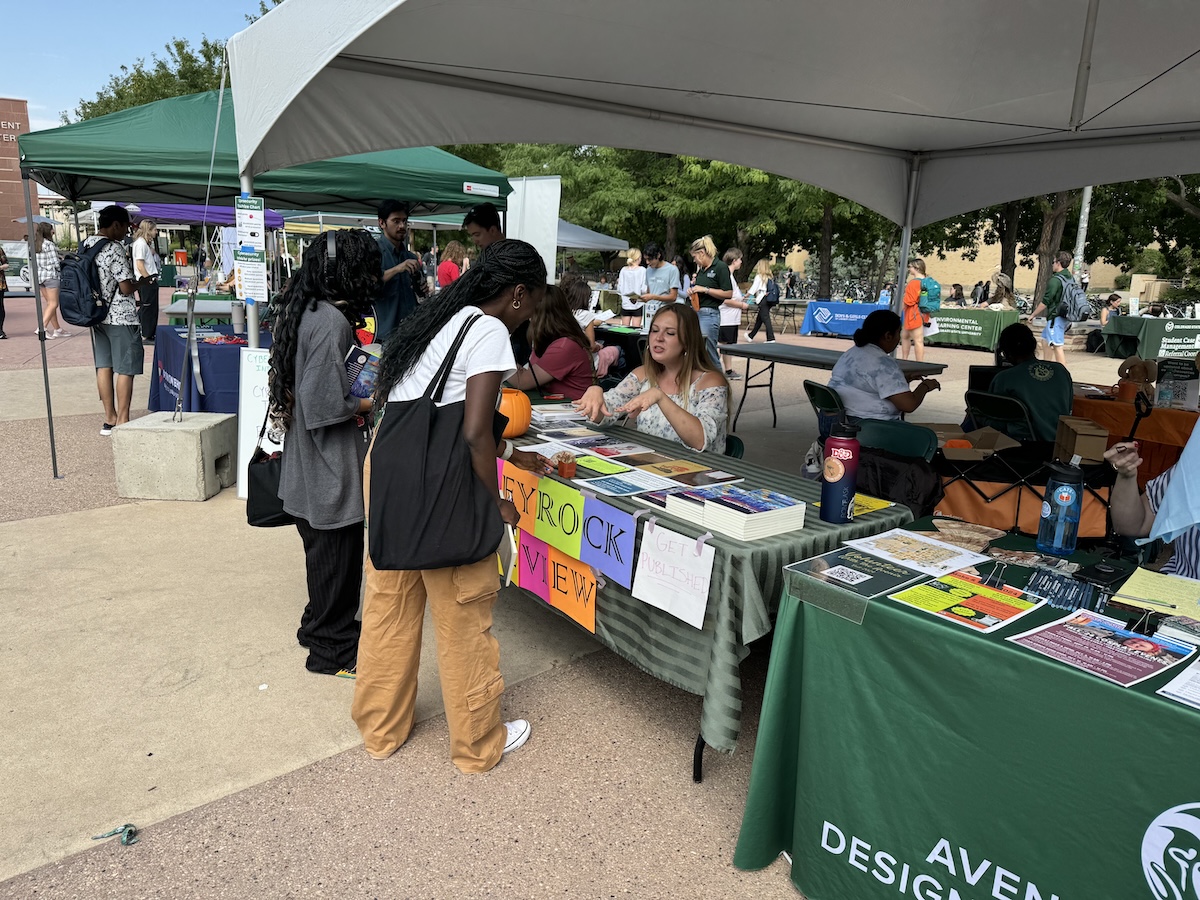
Student Organizations: Hoping to build community with your peers? Connect with Inklings (a student-run English social club) and Dead Poets Society (a student group that gets together to discuss, read, and share poetry).
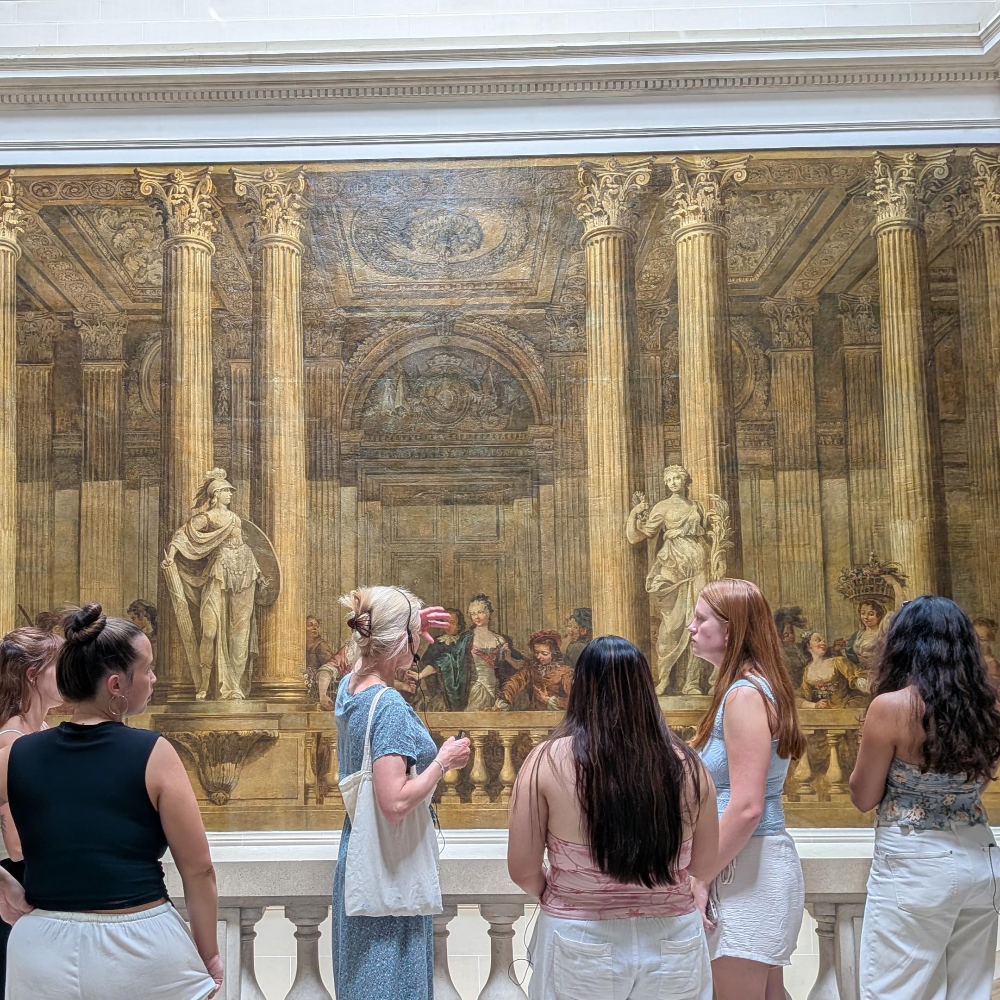
Education Abroad: We host four faculty-led study abroad programs during summer session. Explore community education and health in Zambia, investigate the future of sustainable energy in Copenhagen, dive deeply into the complexities of Paris, or spend a summer in Oxford, England immersing yourself in Shakespeare, Keats, or Shelley.


Meet our faculty
Collaborate with award-winning faculty from across disciplines in the English department and select a mentor to help you design a personalized program of study.
Next Steps
Are you interested in joining our community?