University Composition Program
Program
Welcome to the University Composition Program!
We’re proud to be part of Colorado State University’s long tradition of excellence in undergraduate education: our Composition faculty bring diverse training, expertise, and research in writing theory and pedagogy; textual and visual rhetorics; professional and science writing; and print and visual design practices into the courses they teach.
On this page, you will find our program vision and mission statement, our commitment to diversity, and our program policies. We invite you to learn more about the University Composition Program by reading our values below.
The rhetoric and writing skills students learn in our composition courses can be widely applied to different writing situations and audiences. Read below about what our composition faculty value about the portability of rhetoric and composition.
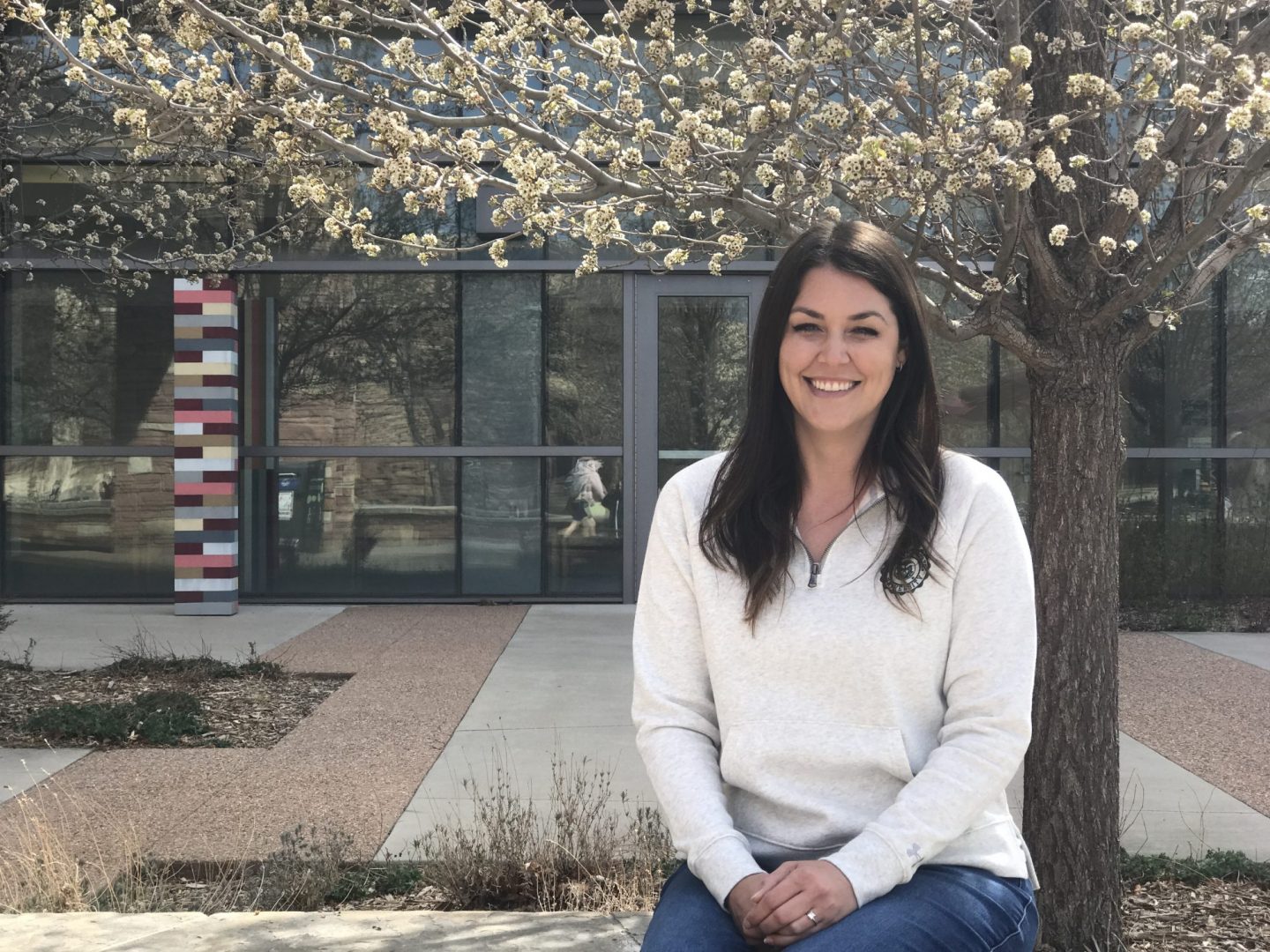
Aly Welker
“One of the things that I think is really important about rhetoric and composition is that it applies to everyone and to every situation. I tell my son, who is ten, “You know, think about your audience. You might think that joke is funny and your friend might think that joke is funny, but it’s probably not appropriate to say to your teacher.” And we’re teaching those same concepts on a much deeper level here. A writer’s understanding of their audience is so important to persuading an audience to get something done—to get a raise, to do new research, to start a new initiative, to change a perspective.”

Michael Lamb
“In composition, we value teaching students how to use rhetoric as a method to write language persuasively to get things done. I teach my students how to use rhetoric effectively, so they can learn to persuade others but also so they can see how others use persuasion to get things done.”
Program Vision
Our courses provide students with opportunities to expand their critical thinking, reading, analysis, and writing abilities. Each course approaches writing as a rhetorical act accomplished through the effective use of writing processes and strategies. Students develop their research, argument, and writing skills, and use them to compose texts written for both academic and public audiences. Our courses focus on varied writing strategies and situations: composing for college, writing arguments, writing for the web, writing and style, and writing in the Arts and Humanities, Sciences, Social Sciences and Education.
Program Mission
In alignment with CSU’s land grant mission, the University Composition Program cultivates the intellectual work of writing by teaching students both to develop and deepen their written communications practices and to value writing and rhetoric as vital tools for global engagement:
- Our curriculum fosters critical curiosity as students develop agility with both academic research and writing and the public discourses that will prepare them for success as university students, professionals, and citizens.
- Our faculty support students as they become critical imaginative thinkers by teaching them to navigate rhetorical situations that value inclusive language practices.
- Our courses focus on varied writing strategies and situations: composing for college, writing arguments, writing in digital spaces, writing and style, and writing in the Arts and Humanities, Sciences, Social Sciences and Education.
Commitment to Students
In line with CSU’s commitment to inclusive excellence, the University Composition Program stands in solidarity with people of all gender, ethnic, racial, and LGBTQIAa+ identities, ages, and abilities. We embrace the experiences of students with diverse socioeconomic, geographic and cultural backgrounds. We recognize that strong writing and communication skills are built upon varied life perspectives and expressed through lively and inclusive classroom conversations and writing opportunities. We commit to the intentional design of writing assignments built upon a wide range of published and lived research approaches, genres, and styles. Just as writers continually learn and develop their skills, we are open to active listening and learning and anticipate embracing change whenever opportunities to do so come our way. In our effort to imagine and realize a more just and equitable world, the University Composition Program welcomes all students.
Principles & Goals
We aim to design, teach, and assess our composition curriculum and initiatives guided by these strategic principles and goals:
- Curricular Innovation: Craft innovative composition curricula informed by contemporary research on the teaching of introductory and advanced writing in the field of composition and rhetorical studies and informed by the values of our land grant university.
- Inclusive Design: Align composition curriculum and classroom experiences with CSU’s Principles of Community by actively engaging in inclusive and anti-racist teaching practices and creating and supporting contextually- and culturally-rich learning opportunities.
- Pedagogical Excellence: Cultivate a culture of active learners in the science and art of teaching writing by recruiting and engaging composition faculty through innovative, responsive professional development and program assessment.
- Reflective Practice: Strengthen opportunities for students and instructors to incorporate metacognitive reflection and revision practices into formal and informal writing work and evaluation practices.
- Program Accountability: Foster a strong and supportive community by advocating for equitable and sustainable working conditions for composition faculty and by actively and regularly enlisting administrative feedback from faculty.