Writing, Rhetoric, and Literacy
Undergraduate
In the Writing, Rhetoric, and Literacy concentration you will develop your writing and leadership abilities by learning skills to create meaning and incite action. You’ll enhance your understanding of the connections between writing, rhetoric, literacy, identity, and power and practice writing for public audiences, digital writing, community literacy, non-profit advocacy, and professional/technical writing.
Writing, Rhetoric, & Literacy Concentration
Write with Purpose
In small, student-centered classes, you will engage writing and rhetoric with a focus on genre, audience, invention, and style, and explore rhetorical approaches in social, cultural, and historical contexts.
Whether you’re planning a career in professional writing, copy editing, web design and digital writing, law, teaching, grant writing, or any other writing-intensive career, our emphasis on the theory and practice of writing will prepare you to produce effective writing that meets audience needs.
The Writing, Rhetoric, and Literacy concentration offers you the opportunity to:
Study writing in a department that takes a humanistic approach to learning
Engage writing and rhetoric with a focus on genre, audience, invention, and style
Explore and practice writing and rhetorical approaches in social, cultural, and historical contexts
WRL Roadmap: Courses & Requirements
English majors must complete a minimum of 120 credits, 42 upper-division credits to graduate. Below, learn more about the requirements for the Writing, Rhetoric, and Literacy concentration.
- CO 150 College Composition
- E 150 English Studies Symposium
- SPCM 200 Public Speaking
- Two Cross-Concentration classes—choose from the following options:
- E 200 Inquiry-Based Teaching and Communicating
- E 202 Language Use in Society
- E 204 Creative Writing as Transformative Practice
- E 206 Language for Activist Rhetoric & Writing
- E 237 Introduction to Science Fiction
- One Introductory Literature class—choose from the following options:
- E 236 Short Fiction
- E 238 Contemporary Global Fiction
- E 240 Intro to Poetry
- E 242 Reading Shakespeare
- E 245 World Drama
- E 270 Intro to American Lit
- E 276 British Literature – Medieval to 1800
- E 277 British Literature – After 1800
- E 305 Principles of Rhetoric and Writing
- CO 401 Writing and Style
- CO 402 Principles of Digital Rhetoric and Design
- E 406 Topics in Literacy
- Capstone Course: E 465 Topics in Language & Literature OR E 466 Integrated English Studies
Earn 18 credits from your choice of upper-division English/Composition electives in consultation with your academic success coordinator.
Must include one Composition course from the following options:
- CO 300 Writing Arguments
- CO 301A Writing in the Disciplines: Arts and Humanities
- CO 301B Writing in the Disciplines: Sciences
- CO 301C Writing in the Disciplines: Social Sciences
- CO 301D Writing in the Disciplines: Education
- CO 302 Writing in Digital Environments
Recommended electives include:
- E 311C Intermediate Creative Writing: Nonfiction
- E 403 Writing the Environment
- E 412C Creative Writing Workshop: Nonfiction
- E 458 Topics in Language, Law, and Justice
Earn 31 credits from your choice of foundational courses offered across the university. A cumulative grade point average of 2.0 is required in all AUCC courses.
Earn remaining credits from your choice of history, social science, arts & humanities, environmental studies & sustainability, and more!
WRL concentrators can meet the second field requirement by either completing the second year of a foreign language, or by completing 12 upper-level credits in a cohesive field of study outside of English.
Path to My Major
Hannah Prinzi (she/her) is a double major in English and Political Science with a minor in Global Studies.

-
Why did you choose to study English and Political Science?
I was originally drawn to English because I knew I wanted to write. However, Political Science answers the question: what do I want to write about? I understand policy and government as a way to solve complex problems, engage in public participation, and acknowledge and address inequalities.
-
What do you love about your major and the College of Liberal Arts?
I am proud of the College of Liberal Arts because of how it fosters critical thinking, creativity, and problem solving and supports unique pathways of learning. I am a double major with a minor, and many of my friends also have second majors or minors. I have taken classes focused on literature, policy, history, anthropology, and geography; I love the duality of reading Langston Hughes in one class and then discussing international policy implications in the next. The College of Liberal Arts allows for each person to combine different fields of study to fit their interests and passions.
-
What clubs/orgs are involved in at CSU?
I like to stay busy, so I am pretty involved on campus! I am in the Honors Program and am a Blake Leadership Scholar. I have played on an Intramural Dodgeball and Volleyball team. I worked as a Resident Assistant in the CSU residence halls for two years where I fostered community and guided residents through their journey at CSU. I also worked as a Writing Consultant in the CSU Writing Center for a year. Currently, I work as a democracy fellow for the Straayer Center for Public Service.
When I am not in classes or seeing to my other responsibilities, you can find me at one of the many coffee shops around town!
Explore & Engage

Course Highlights
- E 150: English Studies Symposium
- CO 302: Writing in Digital Environments
- E 305: Principles of Writing & Rhetoric
- CO 402: Principles of Digital Rhetoric & Design
- E 406: Topics in Literacy
Get Involved
Interested in community engagement?
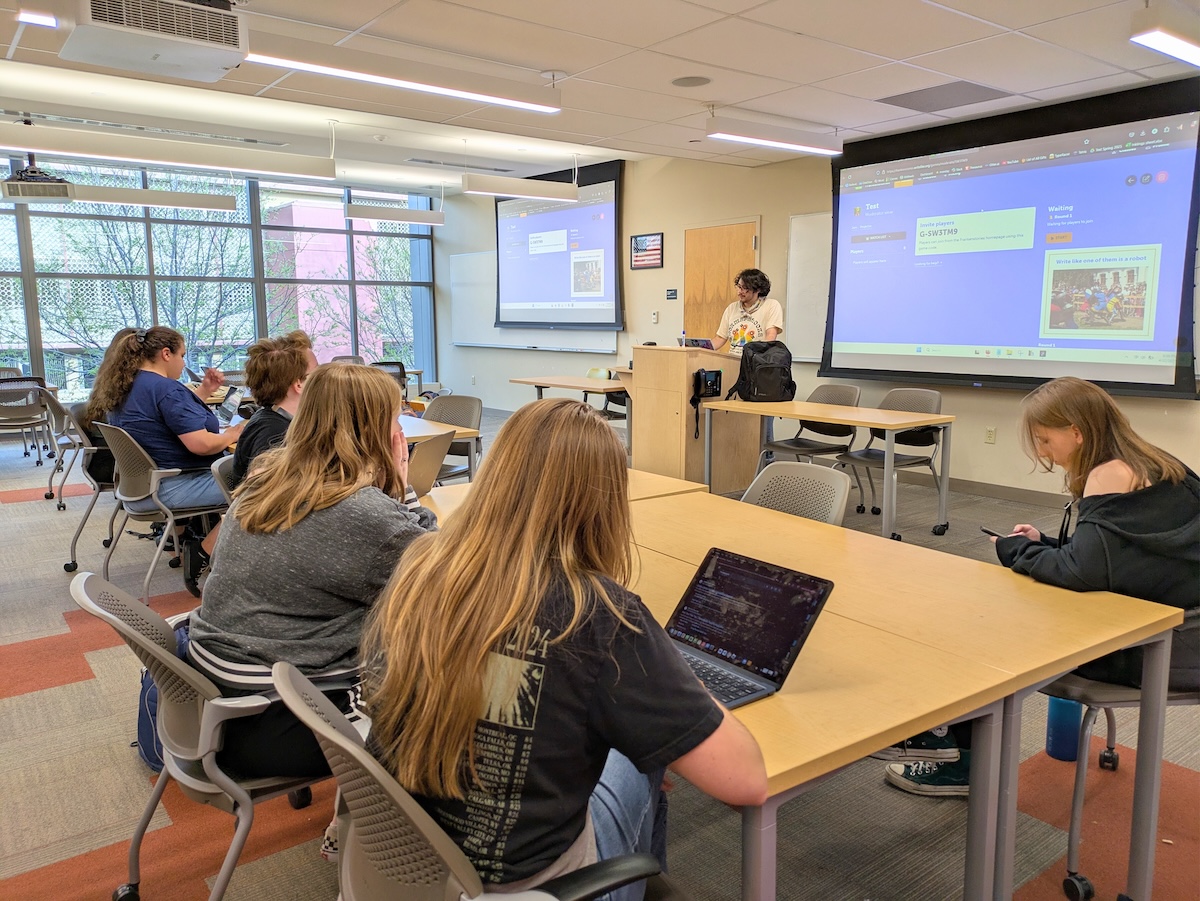
Apply for an internship at the Community Literacy Center and facilitate literacy opportunities that invite community members to engage in supportive writing spaces.
Education abroad opportunities abound!
Learn more about our faculty-led programs, including:
- Sustainable Energy Futures in Denmark
- Community Education and Health in Zambia
- Summer in Oxford, England
- Paris in Symbols
Make friends and create community!
Connect with English majors through Inklings, our student-run English social club.
Career Paths
What can I do with this major?
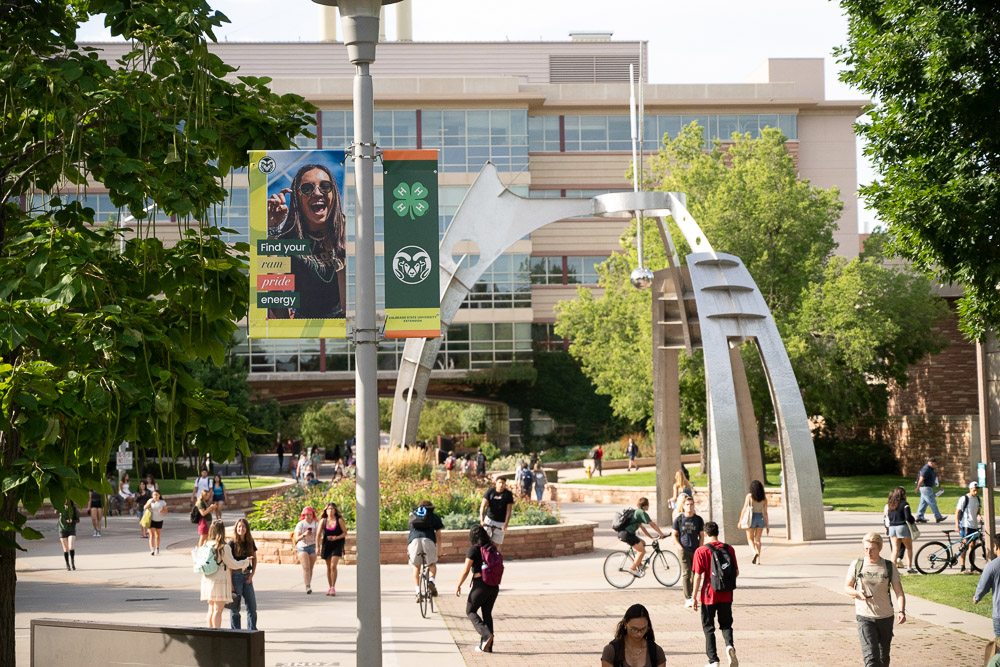
Students who have chosen to major in English with a concentration in Writing, Rhetoric, and Literacy have pursued careers in grant writing, nonprofit communications, media and journalism, business, government, and more.
Check out career stories from recent alumni at the link below.
What Are Students Saying?
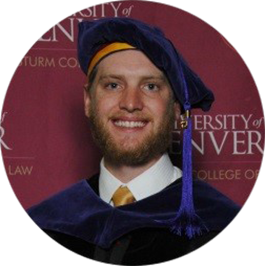
“Through the Writing, Rhetoric, and Literacy (WRL) concentration I have learned how to effectively communicate with many different platforms, audiences, and modes of writing. I’ve always been passionate about social and political concerns and the WRL major has allowed me to take that passion and create an exciting future in the form of law school! Beyond the many opportunities this major provides, my professors and peers in the English program have always been collaborative additions to my journey, and I have become a more empowered writer, thinker, and person because of it!”
~ Madison Rheinheimer, BA English: Writing, Rhetoric and Literacy


“I think the most valuable skills I took from being an English major, at least in terms of preparing me for entering the workforce, are critical thinking and analyzing skills. Outside of my working life, being an English major taught me to see below the surface of things; to look, listen, examine things carefully; to find the beauty and excitement in the little details of life that usually go unnoticed.”
~Joe LaFond, BA in English: Writing, Rhetoric and Literacy
“I chose to study English because the program was flexible enough for me to tailor it to my needs. As a prospective attorney, I needed classes where I could practice storytelling, as well as classes that taught technical writing and even how to communicate with an online audience. I was able to choose a series of courses that would be truly useful to my future career trying to communicate difficult ideas and arguments in a succinct and accessible way.”
~Kevin Reilly Jensen, BA English: Writing, Rhetoric and Literacy