Write compelling short stories, poems, and personal essays
As a Creative Writing concentrator, you’ll have the opportunity to develop your individual voice and build a firm knowledge of literary techniques, tools, and genre-specific conventions in fiction, poetry, and creative nonfiction. You’ll read widely, write often, and engage thoughtfully with the work of your classmates.
Along the way, you’ll consider big questions about language, self, culture, and our world and gain an understanding of the creative process as a pathway toward stronger critical and intuitive thinking.
What You’ll Study
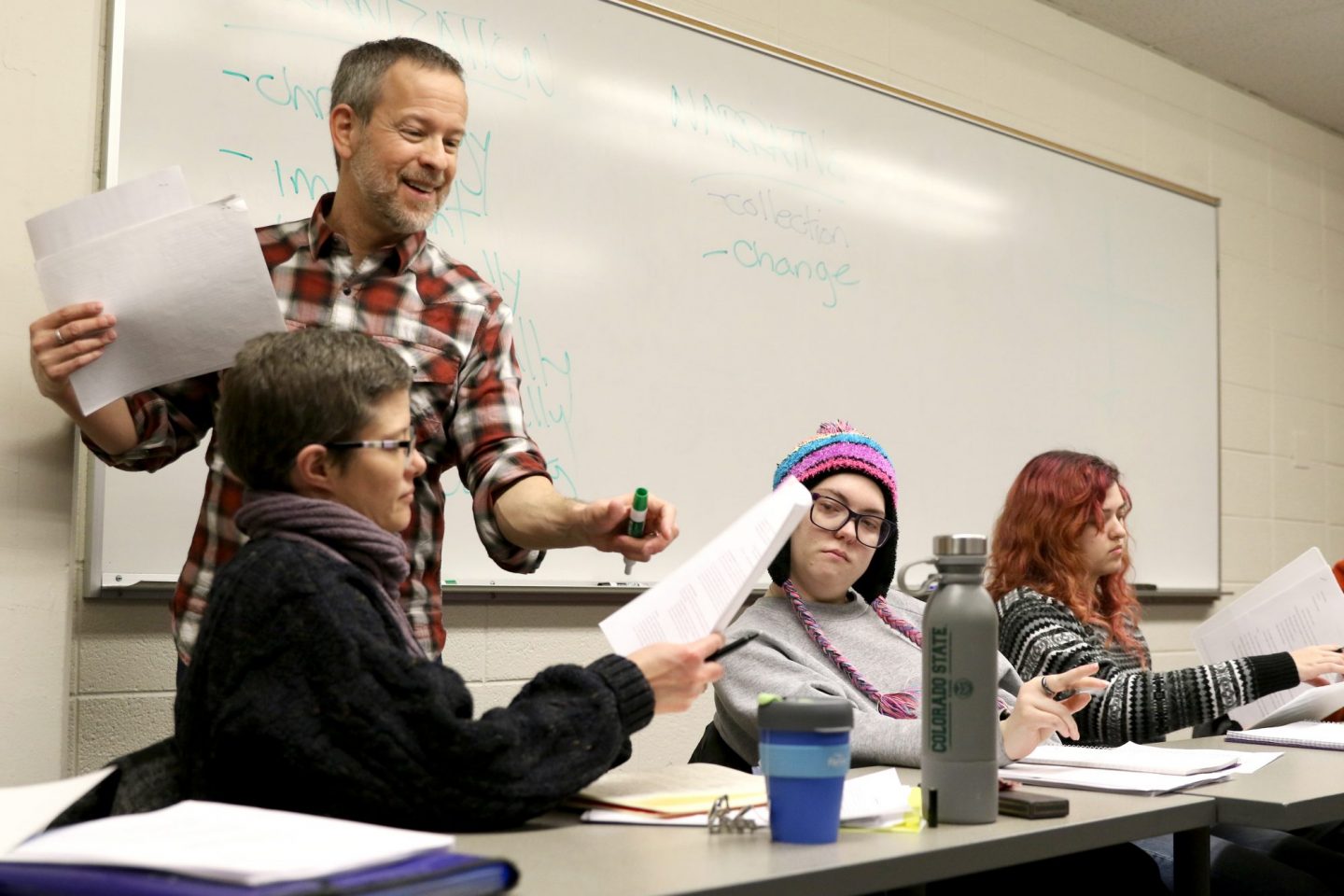
Through beginning, intermediate, and advanced writing workshops and literature courses, you’ll sharpen your ability to closely read, analyze, and discuss both published and peer-produced work—paying close attention to form, structure, voice, and word choice.
Additionally, you’ll build practical skills in analyzing and revising written creative expression, thinking critically about how subtle changes can make a big difference in how writing is understood and received. You’ll also explore how creative writing connects with fields like communications, history, education, healthcare, environmental and natural resources, psychology, and more.
This course emphasizes the transformative possibilities of creative writing by exploring its relationship to the social, environmental, intellectual, aesthetic, and personal. Come engage and develop the many ways that creative writing methodologies can change both the self and the world.
In this course, we’ll explore some of the many things “nature” can teach us and apply these lessons to our own creative writing. Through careful reading, written responses, and discussion, we’ll study the land and what grows from it. We’ll think about what it means to write fluidly about oceans and rivers, beautifully about mulch, and informatively about ecosystems. Additionally, we’ll consider the role of the human animal in the fight with and for the earth and discover powerful ways to convey the urgency of this moment as we investigate the roots, opportunities, and restrictions of conventions employed in creative writing that engage with the natural world.
Capstone topics rotate each semester, consistently offering rich opportunities for creative exploration. Recent capstones that have resonated with creative writing concentrators include Experimental Correspondences: Photography, Painting, and Writing from U.S. Modernism to the Native American Renaissance; Reading and Creating YA Novels: Using a Practitioner’s Approach to Explore Narrative Theories and Forms; and Building Fantastical Worlds and Languages: Fantasy Fiction at the Creative and Linguistic Crossroad.
Creative Writing Roadmap: Courses & Requirements
English majors must complete a minimum of 120 credits, 42 upper-division credits to graduate. Below, learn more about the requirements for the Creative Writing concentration.
CO 150 College Composition
E 150 English Studies Symposium
SPCM 200 Public Speaking
Two Cross-Concentration classes—choose from the following options:
E 200 Inquiry-Based Teaching and Communicating
E 202 Language Use in Society
E 204 Creative Writing as Transformative Practice (recommended)
E 206 Language for Activist Rhetoric & Writing
E 237 Introduction to Science Fiction
One Introductory Literature class—choose from the following options:
E 236 Short Fiction
E 238 Contemporary Global Fiction
E 240 Intro to Poetry
E 242 Reading Shakespeare
E 245 World Drama
E 270 Intro to American Lit
E 276 British Literature – Medieval to 1800
E 277 British Literature – After 1800
One Methods class—choose from the following options:
E 301 Framing Texts & Critical Theory in Equity
E 305 Principles of Writing & Rhetoric
E 310 Researching and Writing Literary Criticism
E 320 Intro to the Study of Language
E 341 Literary Criticism and Theory (recommended)
E 210 Beginning Creative Writing
Choose one from the following intermediate courses:
E 311A Intermediate Creative Writing: Fiction
E 311B Intermediate Creative Writing: Poetry
E 311C Intermediate Creative Writing: Nonfiction
Choose one from the following advanced workshops (must match genre of intermediate course taken):
E 412A Creative Writing Workshop: Fiction
E 412B Creative Writing Workshop: Poetry
E 412C Creative Writing Workshop: Nonfiction
Capstone Course: E 465 Topics in Language & Literature OR E 466 Integrated English Studies
Earn 18 credits from your choice of upper-division English/Composition electives in consultation with your academic success coordinator.
Must include one Composition course from the following options:
CO 300 Writing Arguments
CO 301A Writing in the Disciplines: Arts and Humanities
CO 301B Writing in the Disciplines: Sciences
CO 301C Writing in the Disciplines: Social Sciences
Earn remaining credits from your choice of history, social science, arts & humanities, environmental studies & sustainability, and more!
Creative Writing concentrators can meet the second field requirement by either completing the second year of a foreign language, or by completing 12 upper-level credits in a cohesive field of study outside of English.
Career & Professional Pathways
Creative writing allows students to explore a wide range of careers where clear language, compelling communication, and proficient analytical thinking are key. Creative writers can be found in law, technology, education, the arts, healthcare, environmental sciences, and publishing. Here are just some of the paths recent graduates have taken:
Graduate Studies in English or Creative Writing
K–12 English Language Arts Teacher
Curriculum and Materials Developer
Bookseller
Law School
Content Strategist
Grant Writer
Communications Specialist
Foreign Service Officer
Forest Service Ranger
Managing Editor
Published Author
Hands-on Learning
Our program encourages students to grow as both writers and collaborators through immersive, real-world experiences. Step behind the scenes of literary publishing, swap ideas with visiting writers, and find your people in our student-run poetry club.
As an intern or contributor for the Greyrock Review, you’ll engage in the art of literary publishing and get to experience every part of the publishing process—from editing and design to publicity and coordinating launch events.
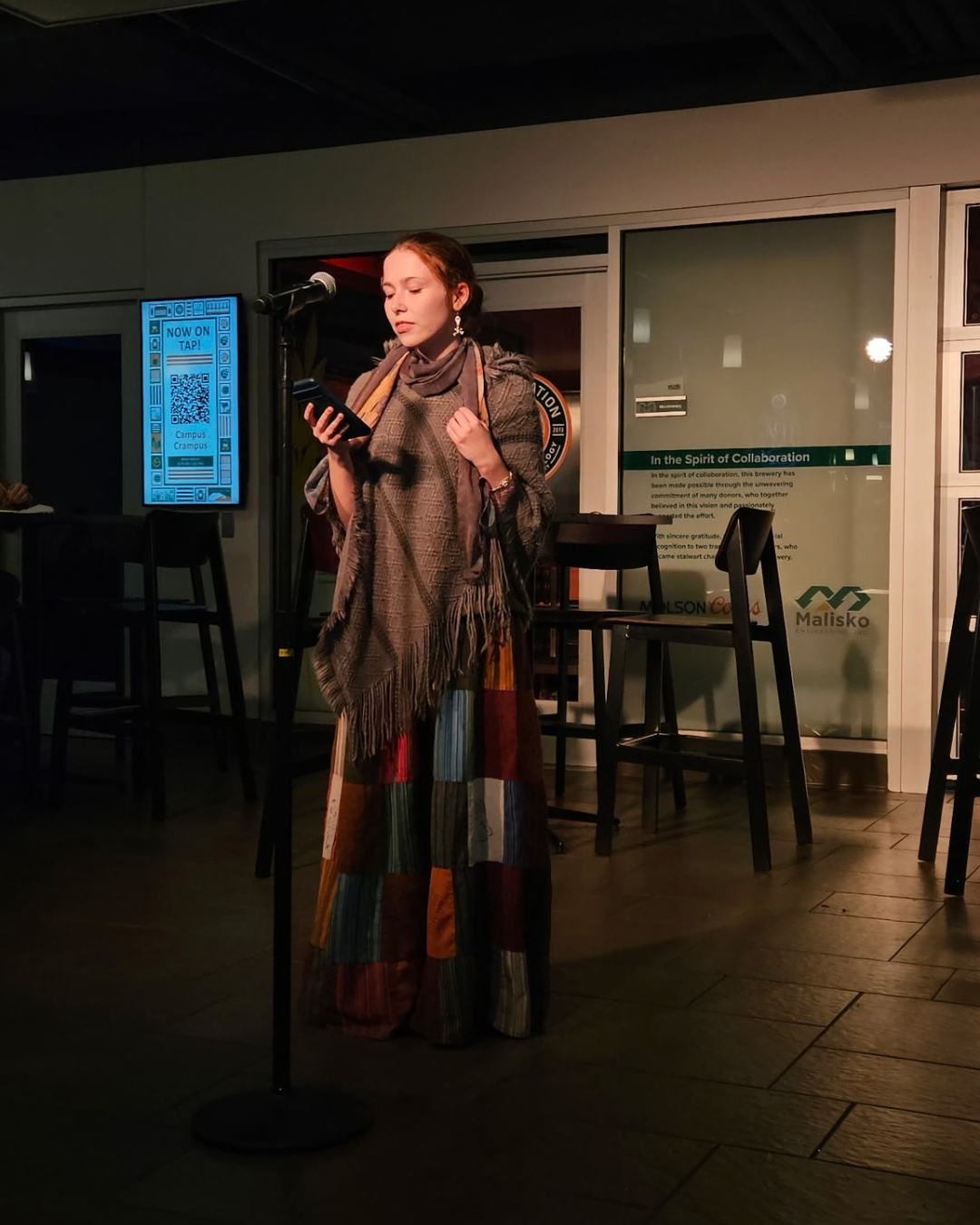
In Dead Poets Society, you’ll find a supportive community of peers dedicated to sharing work, exchanging ideas, and celebrating the creative process.
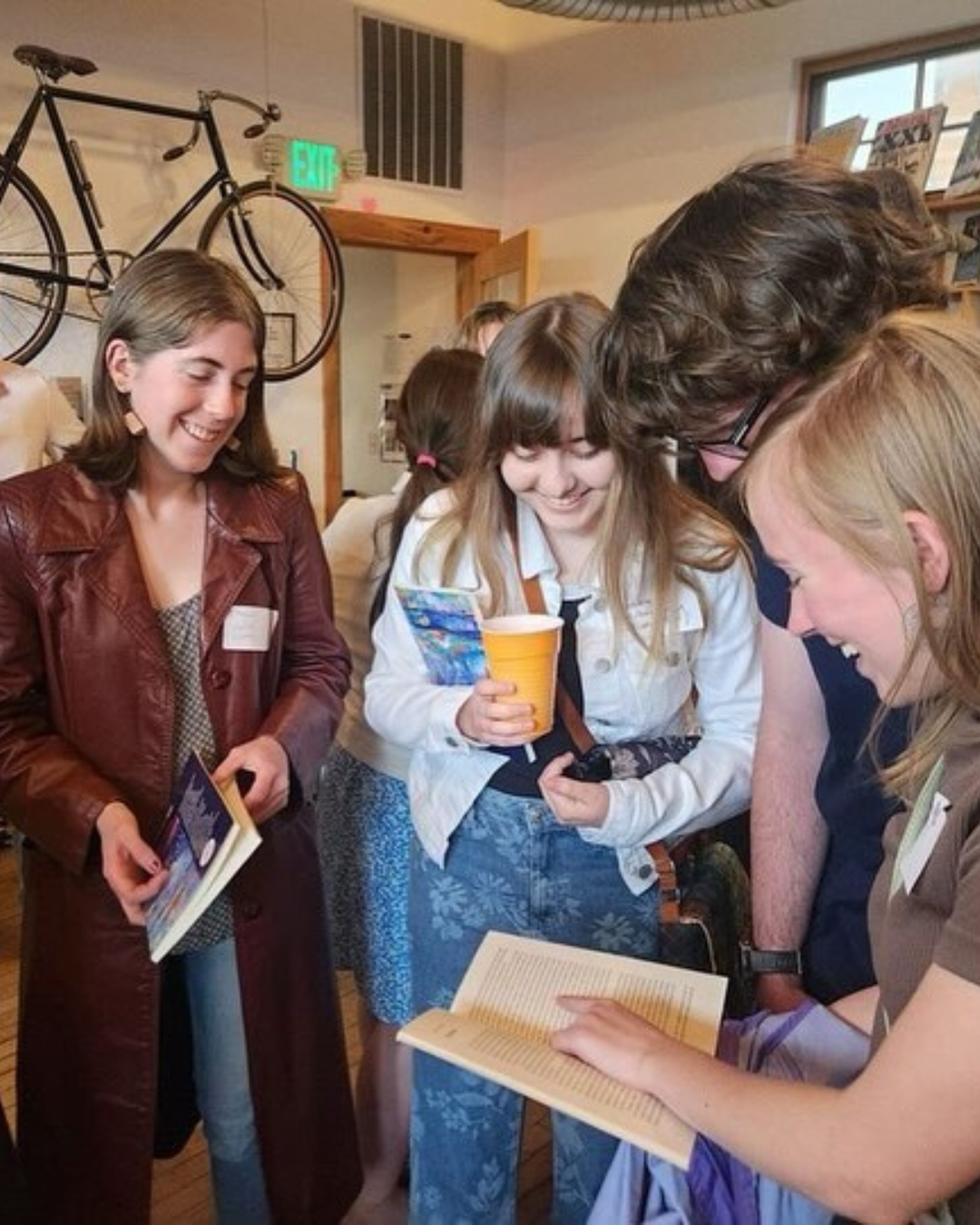
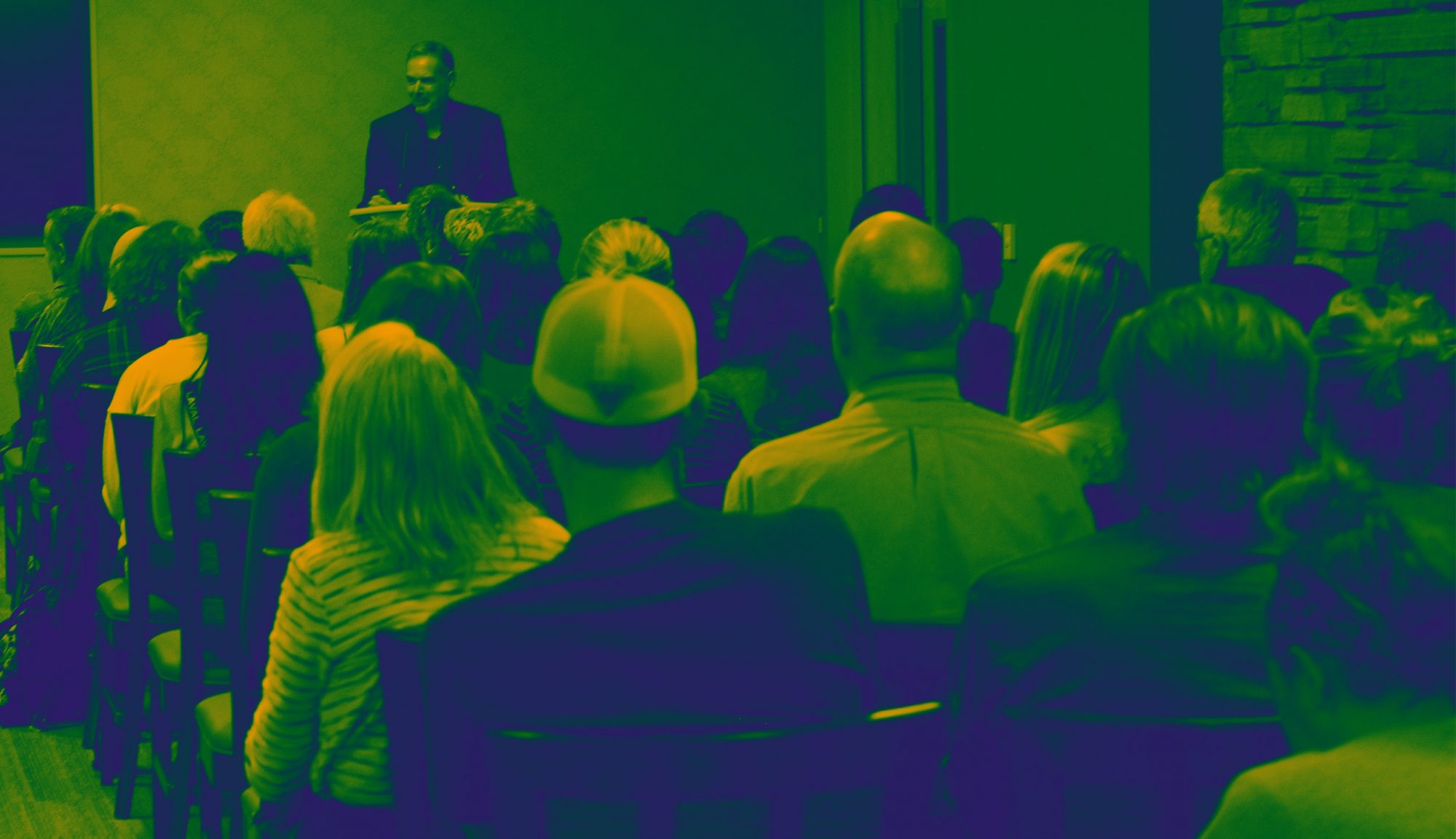
The Creative Writing Reading Series connects students directly with visiting authors and poets through readings, Q&As, and classroom conversations.
Faculty Profiles
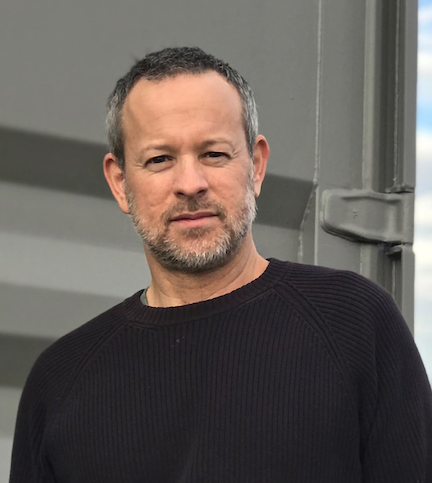
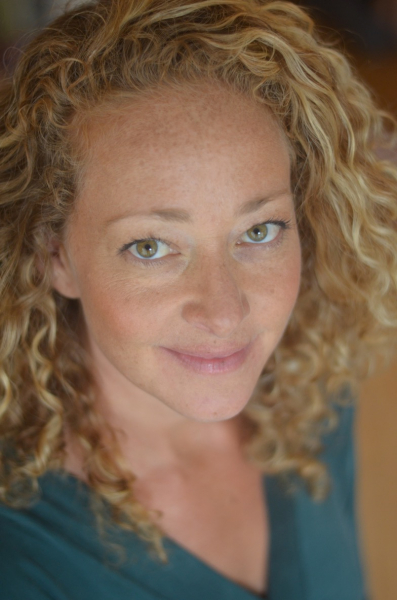
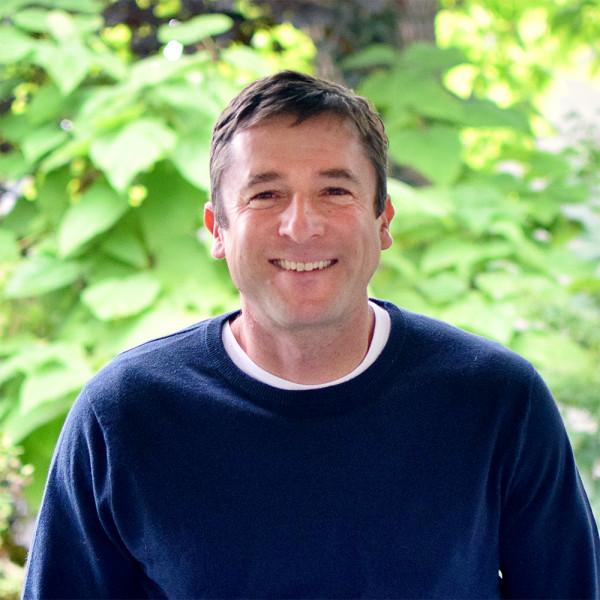
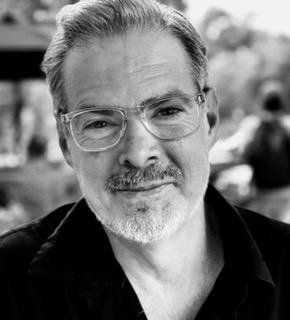
Collaborate with a community of accomplished, published writers across genres. Our supportive, award-winning faculty—including Guggenheim and NEA Fellows, National Book Award semifinalists, and winners of the Colorado Book Award—are here to guide you in developing your craft and discovering your unique voice.
“Joining the English department at CSU was the best decision I’ve made in my college career. I’ve met so many people—undergraduates, grad students and professors—that have changed my outlook on both my professional and personal life and inspired me to seek a career in academia. I am so grateful to be in a department filled with so many wonderful thinkers and beautiful souls.”
– Willow Engle, B.A. ’27
“Creative writing allowed me to showcase my imaginative talent in an academic setting. As someone who used to daydream in class, this concentration fueled my desire within a collaborative workshop environment. Every time I was in a creative writing class, I got to do what I love most; there was never a time when I wished I could be somewhere else.”
– Catrina Vininski, B.A. ’23
Scholarships
Creative & Performing Arts Scholarship
Show off your craft! Each fall, the creative writing program hosts a campus‑wide undergraduate competition in fiction, poetry, and creative nonfiction. Awards typically start at $500 in tuition waivers, with special merit prizes ranging from $1,000 to $5,000. Multiple winners are selected, and all are celebrated at the department’s spring awards reception. Submission guidelines are typically advertised in September.