Students in the College of Liberal Arts attend classes both indoors and outdoors when possible at Colorado State University, October 2, 2025
Linguistics
Study the layers of human language
Are you curious about how language works—how we learn it, use it, and shape it to connect with others?
As an English major concentrating in Linguistics, you’ll explore the science behind human language, with a special focus on English and how it’s used in the real world.
Here, you’ll dive into big questions about how people acquire language, how meaning is created, and how language reflects identity, culture, and society. You’ll also learn how to analyze language using tools from across the humanities, social sciences, and even natural sciences.
Linguistics is a great fit for students interested in language learning and teaching (especially English as an additional language), as well as those drawn to writing and communication
What You’ll Study
As a Linguistics concentrator, you’ll explore how language works at every level, from sounds and word formation to sentence structure, meaning, and use in everyday contexts. You’ll have the chance to study two languages, examine theories of language and language learning, and consider how language both reflects and shapes social and cultural differences.
This course introduces the basic concepts and theories that linguists and applied linguists adopt in trying to understand how language works and how language is used. Language is studied from a structural perspective, with emphasis on morphology, phonetics and phonology, syntax, semantics, and pragmatics. Additional topics of interest include language acquisition, language variation, and language change.
This course addresses general principles and techniques of teaching English to the speakers of other languages and focuses on methods and approaches (both traditional and current) appropriate for diverse teaching situations. This course gives you the knowledge, strategies, and skills to work with adult learners at different levels of second-language proficiency, helping them develop both their understanding and use of a new language. Students will have an opportunity to develop their pedagogical portfolios and materials to deliver classroom instruction to English language learners.
This course introduces pragmatics and discourse analysis through examples from English and other languages you know or are studying. Pragmatics explores how people use language to communicate meaning in context, while discourse analysis looks at how language works across different settings, such as conversation, advertising, law, medicine, education, and digital media. You’ll also examine topics like politeness, identity, genre, culture, and ideology, all areas of active and engaging research.
Linguistics Roadmap: Courses & Requirements
English majors must complete a minimum of 120 credits, 42 upper-division credits to graduate. Below, learn more about the requirements for the Linguistics concentration.
CO 150 College Composition
E 150 English Studies Symposium
SPCM 200 Public Speaking
Two Cross-Concentration classes—choose from the following options:
E 200 Inquiry-Based Teaching and Communicating
E 202 Language Use in Society
E 204 Creative Writing as Transformative Practice
E 206 Language for Activist Rhetoric & Writing
E 237 Introduction to Science Fiction
One Introductory Literature class—choose from the following options:
E 236 Short Fiction
E 238 Contemporary Global Fiction
E 240 Intro to Poetry
E 242 Reading Shakespeare
E 245 World Drama
E 270 Intro to American Lit
E 276 British Literature – Medieval to 1800
E 277 British Literature – After 1800
One Methods class—choose from the following options:
E 301 Framing Texts & Critical Theory in Equity
E 305 Principles of Writing & Rhetoric
E 320 Intro to the Study of Language (recommended)
E 341 Literary Criticism and Theory
E 320 Intro to the Study of Language
E 321 Language Learning and Development
E 324 Teaching English as a Second Language
Two Linguistics courses from the following three options:
E 327 Syntax & Semantics
E 328 Phonology, Morphology, & Lexis
E 329 Pragmatics & Discourse Analysis
Capstone Course: E 465 Topics in Language & Literature OR E 466 Integrated English Studies
Earn 18 credits from your choice of upper-division English/Composition electives in consultation with your academic success coordinator.
Recommended electives include:
E 326 Development of the English Language
E480A4 Perspectives in Linguistics: Topics in Linguistics and Applied Linguistics
E 507 Special Topics in Linguistics
Must include one Composition course from the following options:
CO 300 Writing Arguments
CO 301A Writing in the Disciplines: Arts and Humanities
CO 301B Writing in the Disciplines: Sciences
CO 301C Writing in the Disciplines: Social Sciences
Earn remaining credits from your choice of history, social science, arts & humanities, environmental studies & sustainability, and more!
To meet the Second Field requirement, linguistics concentrators must complete a language to the 201 level.
Career & Professional Pathways
Whether you’re planning to go on to grad school or looking for a career where strong analytical skills and clear communication matter, studying linguistics will give you the tools to understand and work with language in powerful ways. Whether you’re into technology, education, writing, or working across cultures, studying linguistics can help you get there.
Careers in linguistics include:
Linguist
ESL/EFL Instructor
K–12 English Language Arts Teacher
Curriculum and Materials Developer
Language Data Analyst
Computational Linguist
Copy Editor
Lexicographer
Technical Writer
Translator or Interpreter
Accent Coach
Hands-on Learning
Experience language in action as you build a global perspective on how people communicate across cultures, whether you’re connecting with peers in language clubs, studying abroad, or gaining real-world experience through internships.
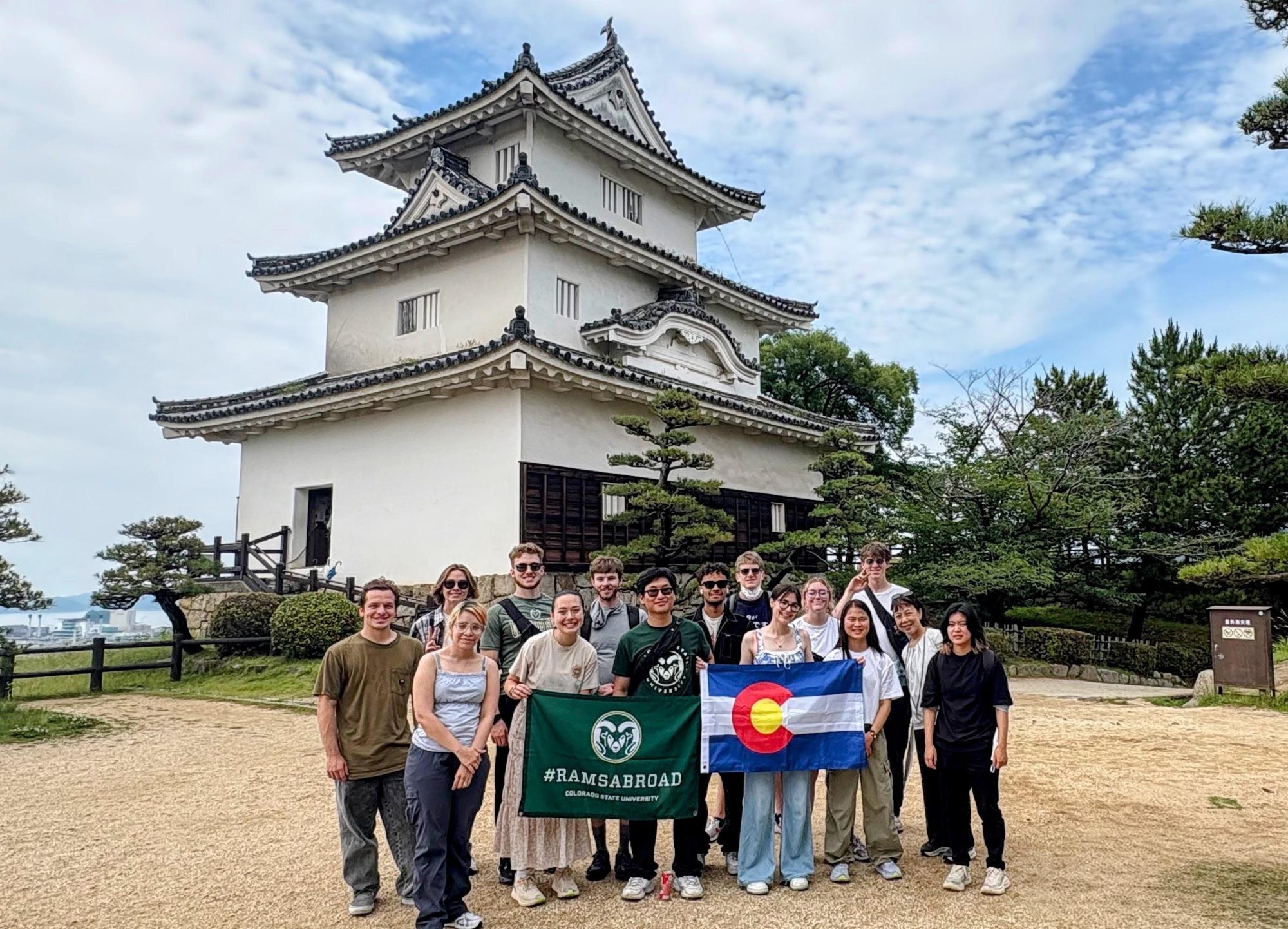
Education abroad: Take your language skills to the next level by studying abroad. Explore programs in France, Mexico, Germany, Japan, Spain, and Korea, among many others.
Language Clubs: CSU offers several language clubs that provide an informal environment where language speakers of all levels intermingle and enjoy a variety of activities.
Internships: Interested in expanding your professional skills with an internship? The English department provides students with diverse opportunities in community literacy, teaching English as second/foreign language, grant writing, research, and more.
Faculty Profiles
Learn from a diverse group of faculty with expertise in applied linguistics, TESOL education, language acquisition, and more. They’ll guide you as you develop practical skills and explore how language works across cultures and contexts.
Member, the Center for Languages for Specific Purposes Education (CLEaR) Steering Committee
Student Work & Research
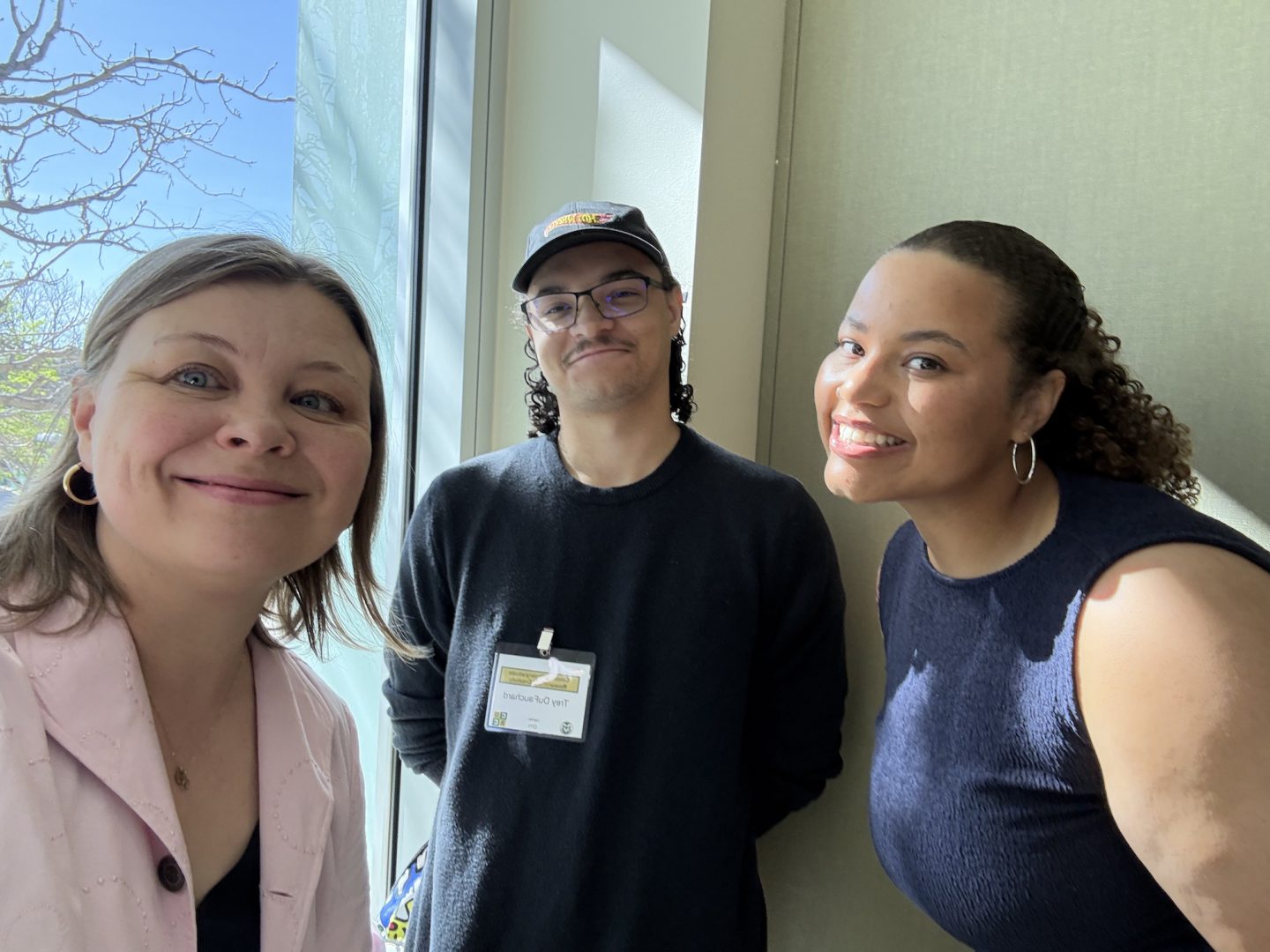
At Colorado State University’s Celebrate Undergraduate Research and Creativity (CURC), linguistics students Trey DuFauchard and Giselle Bentley presented “Translanguaging in Language Learning & Student Experience,” mentored by Dr. Tatiana Nekrasova-Beker. Their research explores how valuing students’ full linguistic identities in classrooms can strengthen literacy, engagement, and belonging, and highlights practical strategies to help educators foster more inclusive, culturally sustaining learning environments.
Student Reflections
“I went into the Linguistics concentration with a pre-existing interest in languages and curiosity, but with little knowledge about linguistics other than the very surface-level information you learn at a young age. However, I have come to truly enjoy linguistics because it unveils the deeper world of language and its intricacies, while at the same time deepening my interest and appreciation for language and other cultures.”
— Justin Han, B.A. ’24
“I’m proud that with the help of my friend and fellow graduate, Jules, we founded the Korean Club at CSU to share Korean language and culture with the greater CSU campus. We’ve had a ton of fun planning meetings and participating in events.
After I graduate, I’ll be moving to South Korea to teach English as a Second Language for a year! I love working with kids and I also love languages so I’m very excited to be combining those two aspects!”